
How Long Until Tree Roots Decompose in the Ground After Trimming?
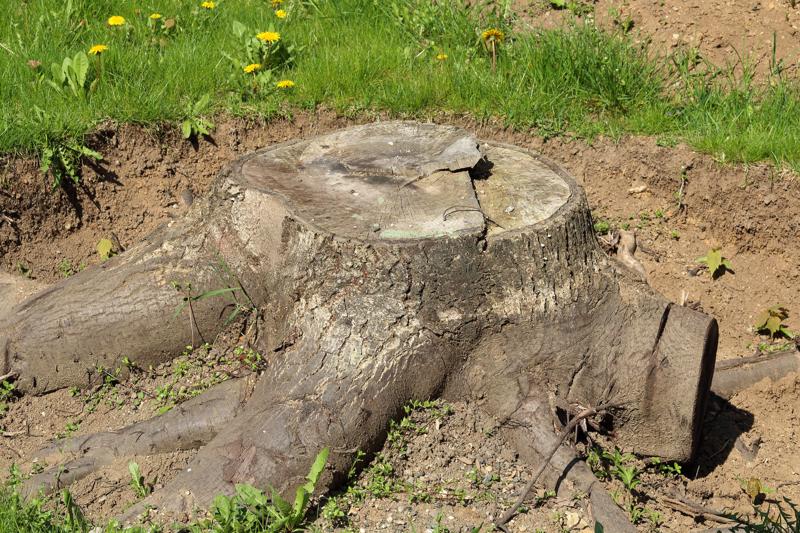
The roots of trees play an essential role as they provide stability, and nourishment to trees, but what happens when a tree is removed? What is the time frame for the roots to begin to decay in the soil, and what effect does this have on the surrounding area? This article will explore the root decay process and answer many frequently asked questions regarding the roots of trees.
Understanding the Tree Root Decay
The roots of trees can take a long time to decay, based on various factors such as how big the roots as well as the type of tree, as well as the environmental conditions. The process of decaying roots is initiated immediately after a plant is removed or falls and is caused by a mix of factors such as temperature, moisture, along with the presence of decomposers such as fungi and bacteria.
Factors that Affect Root Decay
Size of the roots: The larger roots require more time to decay as compared to small ones.Type of trees: Certain species of trees have stronger and more robust roots that take longer to decay than other species.
Environmental conditions: Roots will break down faster in moist, warm environments as compared to cooler, dry ones.
The Effects of Tree Root Decay
As tree roots decay, they release nutrients back into the soil. This could be beneficial to other plants in the area. However, decaying roots may also create issues for structures and landscaping within the vicinity. For instance, decomposing roots may cause shifting or settling of sidewalks, driveways, and other hardscaping features.
Preventing Problems from Decay
To prevent problems caused by the roots that are decaying, it is important to remove any dead or damaged trees from your property as quickly as possible. In some instances, it may also be necessary to eliminate the roots to avoid settling or shifting of nearby structures. If you’re not sure what to do, you might consider contacting an expert tree removal service like Sydney Tree Removers for help.
Frequently Asked Questions
How long does it take for the roots of trees to begin to decay in the soil?
The{ length of|| amount of} time it takes for tree roots to decay in the soil can differ according to a variety of variables, such as their size, roots as well as the type of tree, and the surrounding conditions. On average, it can take many years for the roots of a tree to fully decay.
What happens to the nutrients in the soil after tree roots rot?
When tree roots rot they release nutrients to the soil, which can benefit other plants that are in the same area.
Are decaying tree roots causing issues for structures nearby?
Yes, the decaying roots of trees could cause shifting or settling of sidewalks, driveways, and other hardscaping features. To avoid problems like this it’s essential to eliminate any dead or sickly trees from your property as quickly as is possible.
Conclusion
In the end, tree roots can take several years to fully decay the soil, and the process of decay may have both negative and positive impacts on the surrounding environment. If you’re worried about decaying tree roots or need help with tree removal, you should consider contacting a professional tree removal service like Sydney Tree Removers. The team we have of skilled and knowledgeable arborists are equipped with the most modern tools and equipment to safely and effectively remove trees and their roots. Call us today on 1300 945 434 for a free estimate in Sydney.
Don’t put your property at risk or yourself by trying to remove a tree on your own. The experts at Sydney Tree Removers handle it for you. Our team of highly skilled and experienced arborists is equipped with the most modern tools and equipment that allows them to safely and effectively remove trees and their roots. If you require tree removal or tree pruning, trimming or another arborist service Sydney Tree Removers is here to help. Don’t wait any longer, contact us today at 1300 945 434 for a free estimate in Sydney. Trust the professionals from Sydney Tree Removers to handle all your tree requirements and guarantee the security and aesthetics for your yard.


